What Is a Healthcare CRM?

A Customer Relationship Management (CRM) platform is an indispensable tool for today’s healthcare organizations—particularly across post-acute care, including home health, hospice, skilled nursing, home medical equipment, and infusion services.
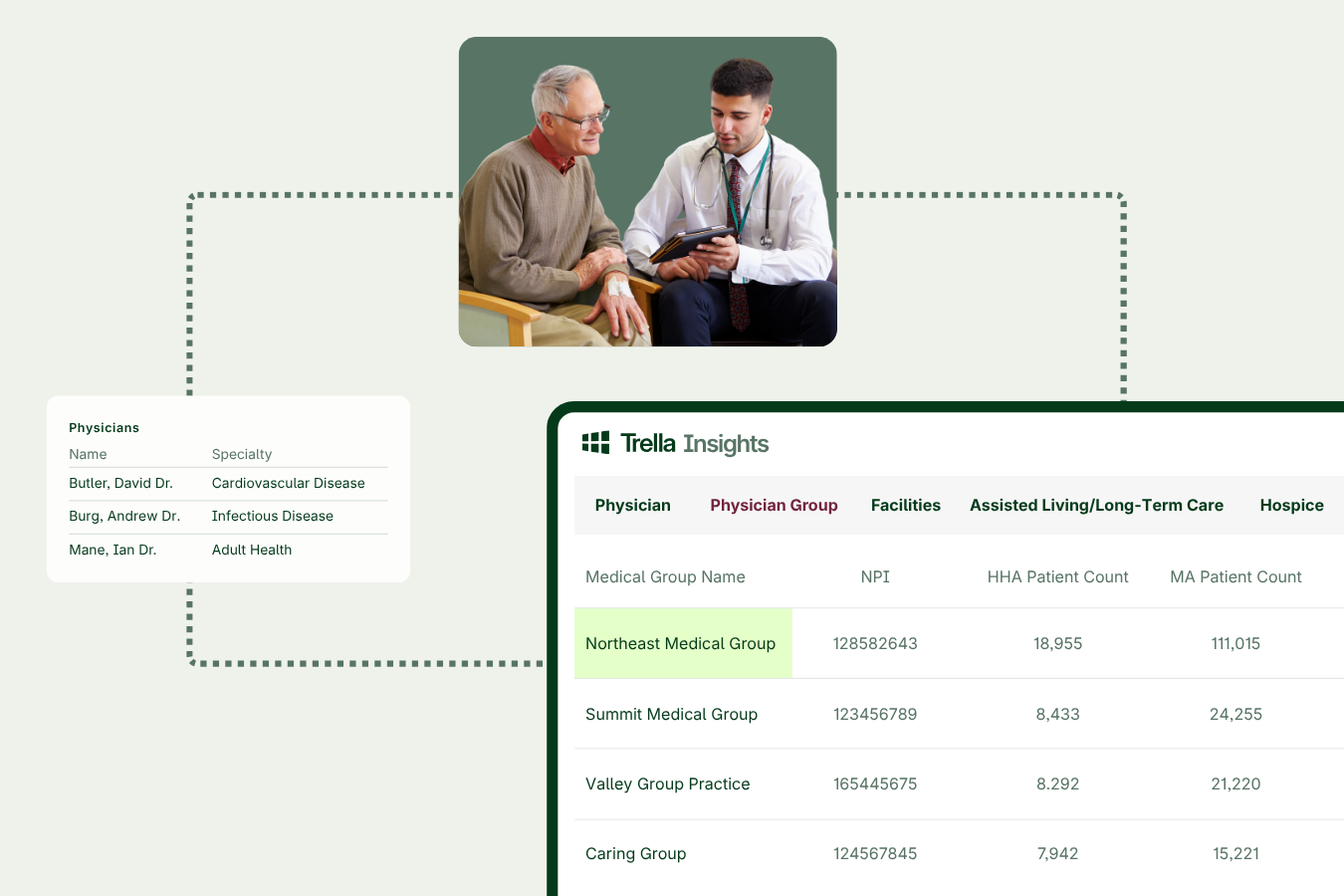
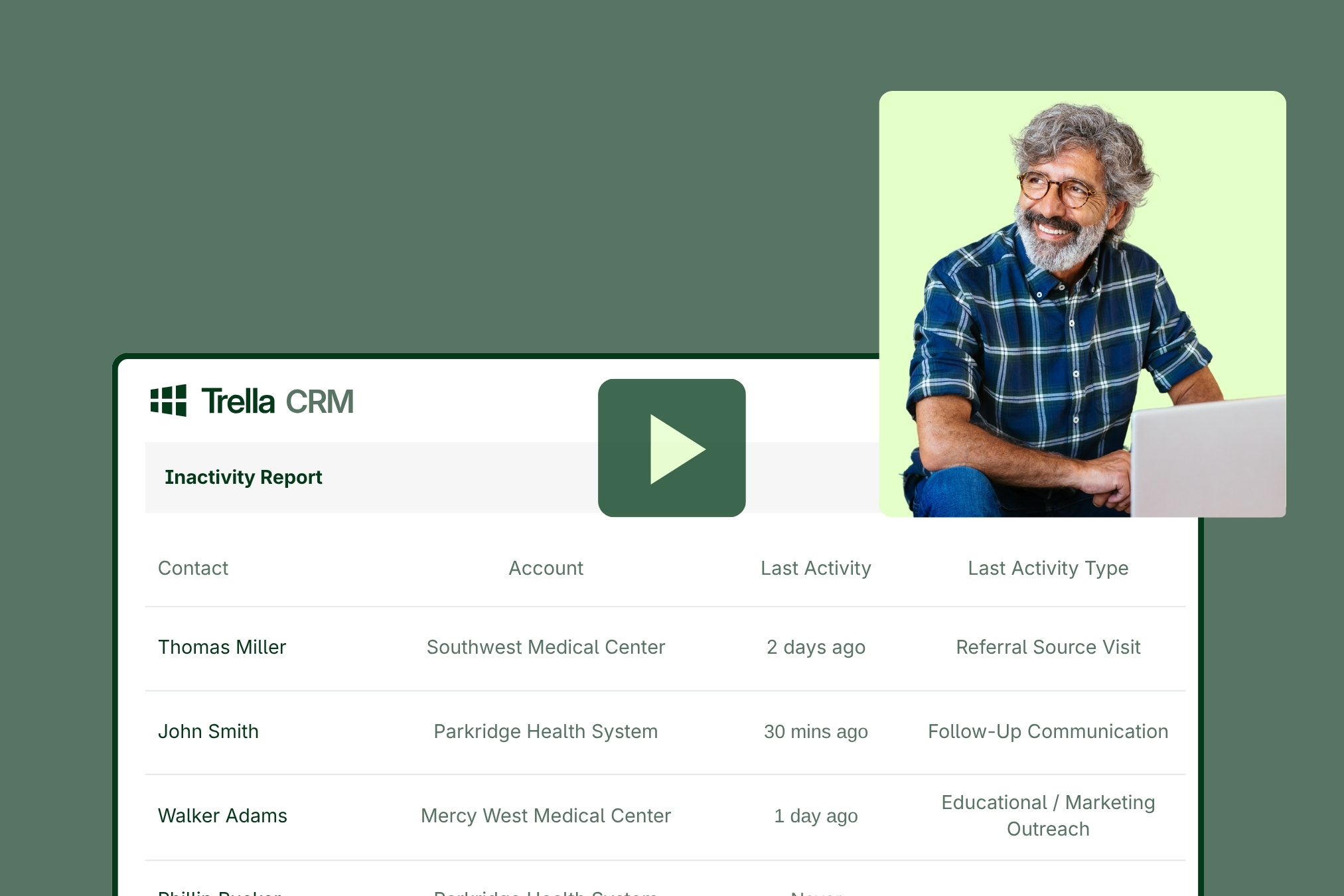
At its core, a healthcare CRM centralizes referral, relationship, and performance data into a single system of record. It helps organizations streamline workflows, improve communication, and build stronger, more strategic partnerships with referral sources—while enabling leadership to operate with greater clarity and confidence.
In an increasingly competitive, value-based care environment, a healthcare CRM is no longer a “nice-to-have.” It is essential infrastructure for growth, efficiency, and long-term success.
Why Healthcare Organizations Need a CRM Today
Post-acute providers face mounting pressures:
- Intensifying competition for referrals
- Increased scrutiny from Medicare Advantage and value-based models
- Fragmented data across sales, intake, operations, and leadership
- Manual, spreadsheet-driven workflows that limit visibility and scalability
A healthcare CRM addresses these challenges by:
- Creating a single source of truth for referral relationships
- Enabling data-driven decision-making across teams
- Automating time-consuming administrative tasks
- Providing real-time insight into performance and opportunity
Organizations that adopt a CRM gain the ability to move from reactive to proactive—replacing guesswork with strategy.
Who Uses a CRM in Healthcare?
A well-designed healthcare CRM supports every role involved in referral growth, operations, and strategy.
Sales Representatives
Sales reps rely on CRM technology to maximize their time in the field and strengthen referral relationships.
- Key use cases:
- Managing referral source relationships: Track interactions, schedule follow-ups, and prioritize high-value accounts.
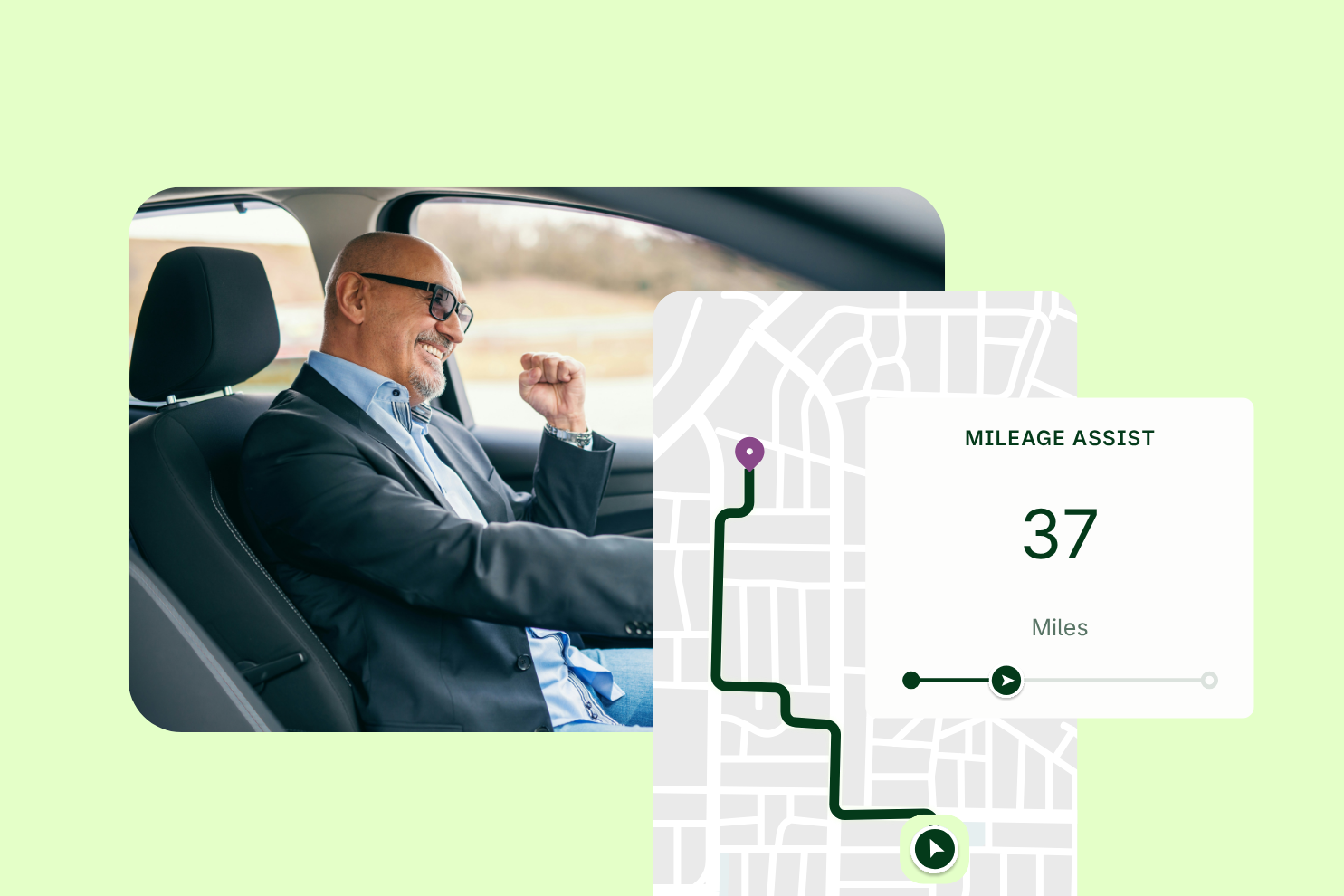
- Route planning: Optimize daily schedules based on account tiering, urgency, and location.
- Meeting preparation: Access historical notes, clinical insights, and market data before and after meetings.
A mobile CRM is especially powerful, allowing reps to plan on desktop and execute seamlessly on the road.
“I like pulling up my day on the mobile app and seeing the pre-call plan… It’s better than other systems I have used in terms of ease of use.”
– Lindsay Errett-Cohen, Account Executive, Dependable Health Services
Teams looking to take this a step further often focus on how CRM supports day-to-day execution. For example, high-performing reps use CRM-driven pre-call planning and scheduling to maximize time in the field and reduce administrative drag—an approach explored in depth in A High-Performing Rep’s Guide to Maximizing Time in the Field with CRM.

Related content:
Your CRM-Powered Guide to Planning an Efficient Sales Week.
Sales Managers
Sales leaders use CRM platforms to coach, scale, and optimize team performance.
- Key use cases:
- Onboarding and coaching: Quickly bring new reps up to speed with access to accounts, notes, and activity history.
- Territory optimization: Leverage integrated market insights to assign balanced territories and accounts.
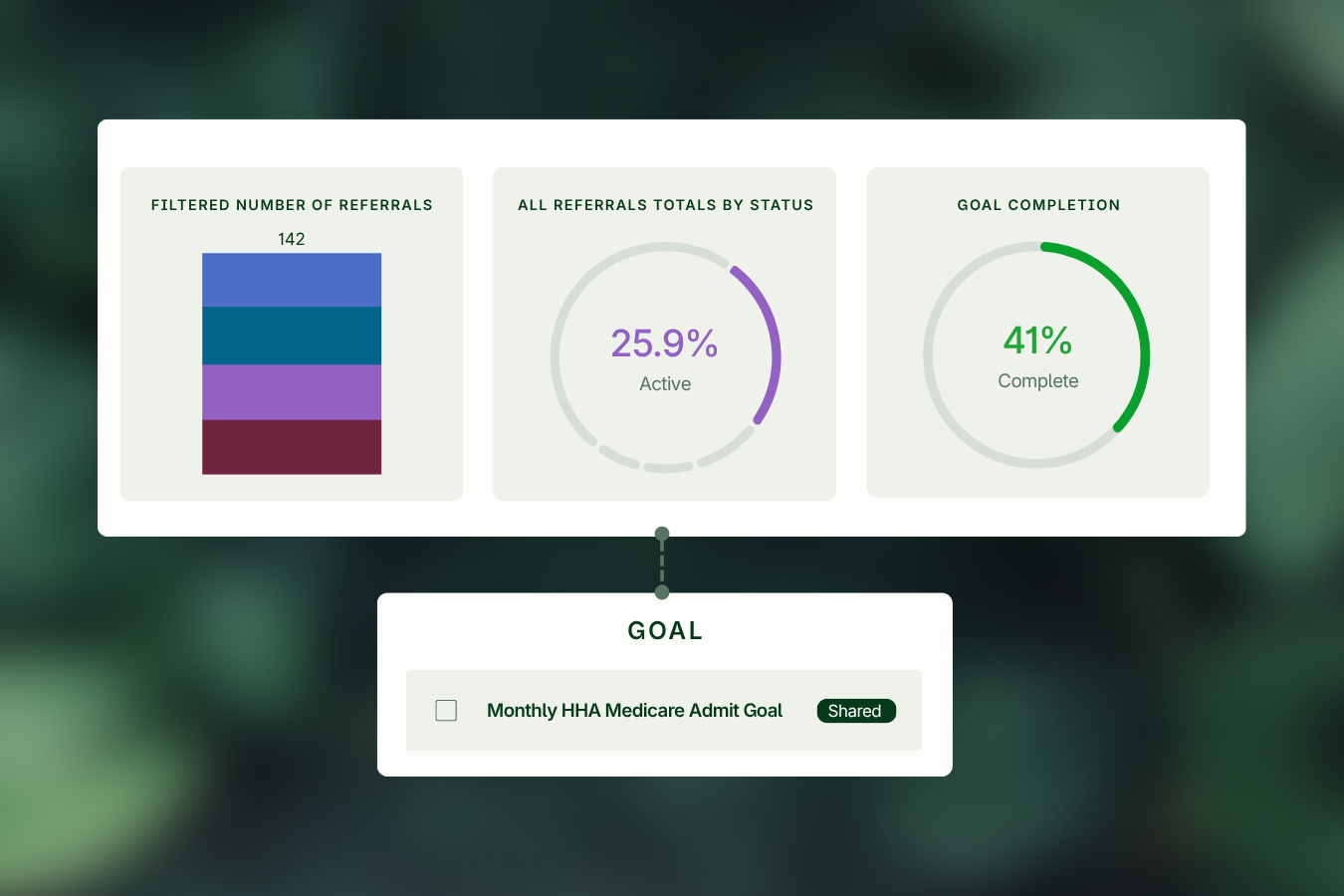
- Goal setting and performance tracking: Monitor activity, outcomes, and ROI through dashboards and reports.
When CRM and market intelligence work together, territory planning becomes faster, more accurate, and more equitable.
“Each morning, I get a report of the activities from the prior day… The true benefit is the convenience—it saves me a lot of time.”
– Gary Ryan, Sales Manager, ADVance Care Pharmacy
Many sales organizations formalize these practices by using CRM as the backbone for onboarding, coaching, and accountability. In Sales Leadership Excellence: Leveraging CRM for Team Success, sales leaders share how consistent CRM usage improves rep performance, shortens ramp time, and creates alignment across territories.

Operations Leaders
Operations teams depend on CRM visibility to ensure smooth handoffs from referral to service delivery.
- Key use cases:
- Process optimization: Identify bottlenecks in referral intake and communication workflows.
- Business health visibility: Track referral activity, conversion trends, and operational performance.
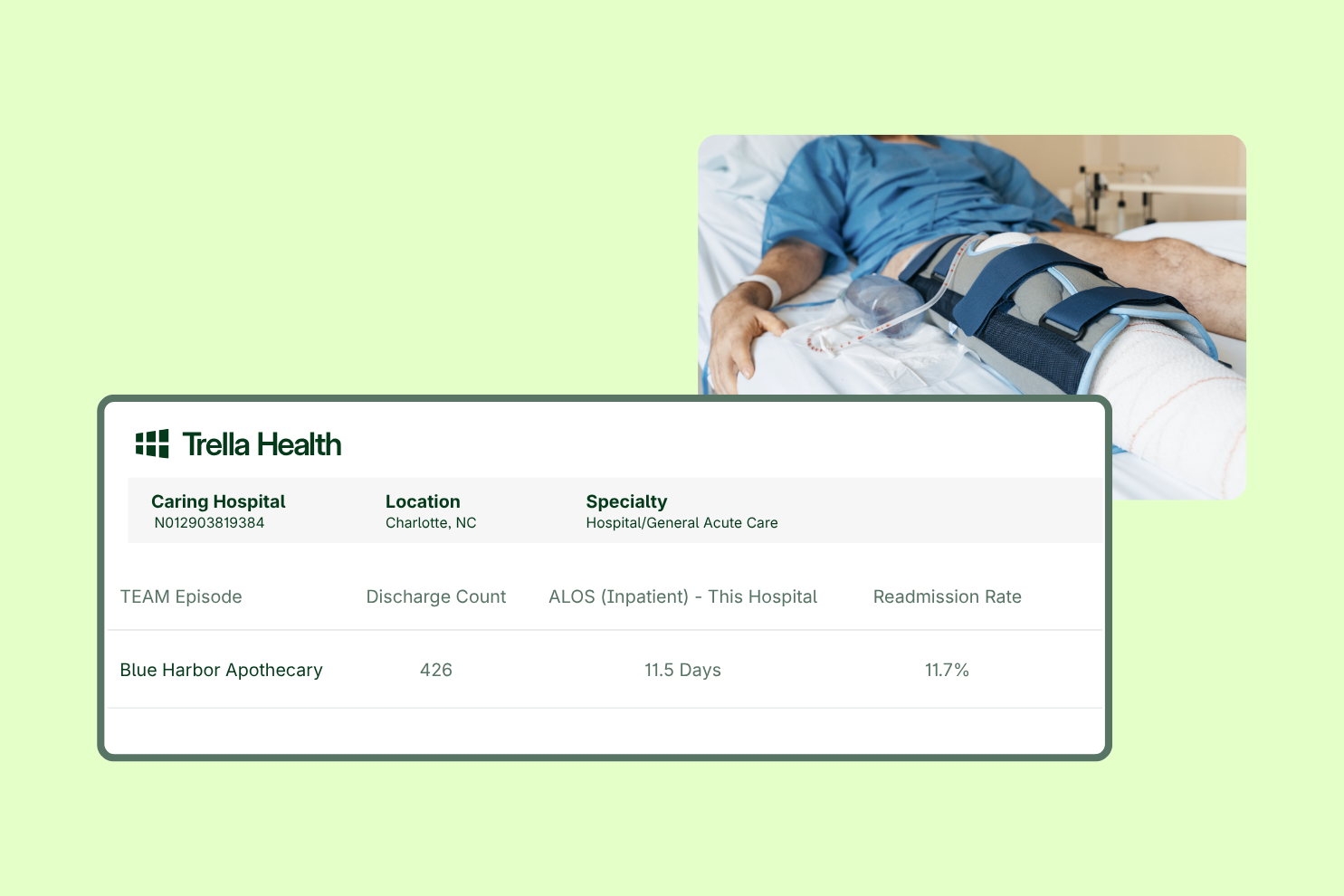
- Data integration: Connect CRM and EHR systems to improve referral visibility and patient transitions.
“All of the orders that go through the pharmacy through the EHR platform are now integrated.”
– Jay Arnold, Operations Consultant, Vital Care Infusion Services
As workflows mature, CRM becomes a critical operational system. Operational Excellence: Enhancing Workflows, Efficiency, and Visibility highlights how organizations use CRM data to identify referral bottlenecks, improve handoffs, and increase transparency between sales and intake teams.

Executives
For executives, a healthcare CRM delivers the strategic clarity needed to guide growth and manage risk.
- Key use cases:
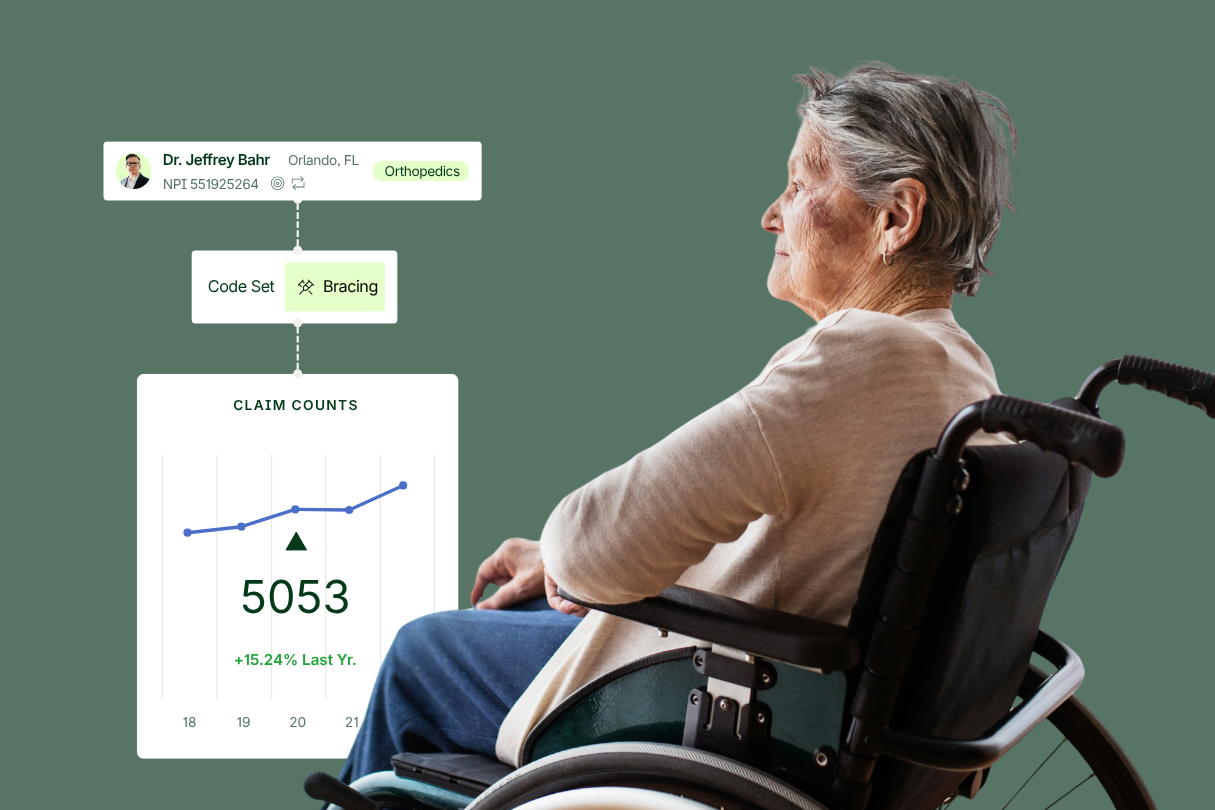
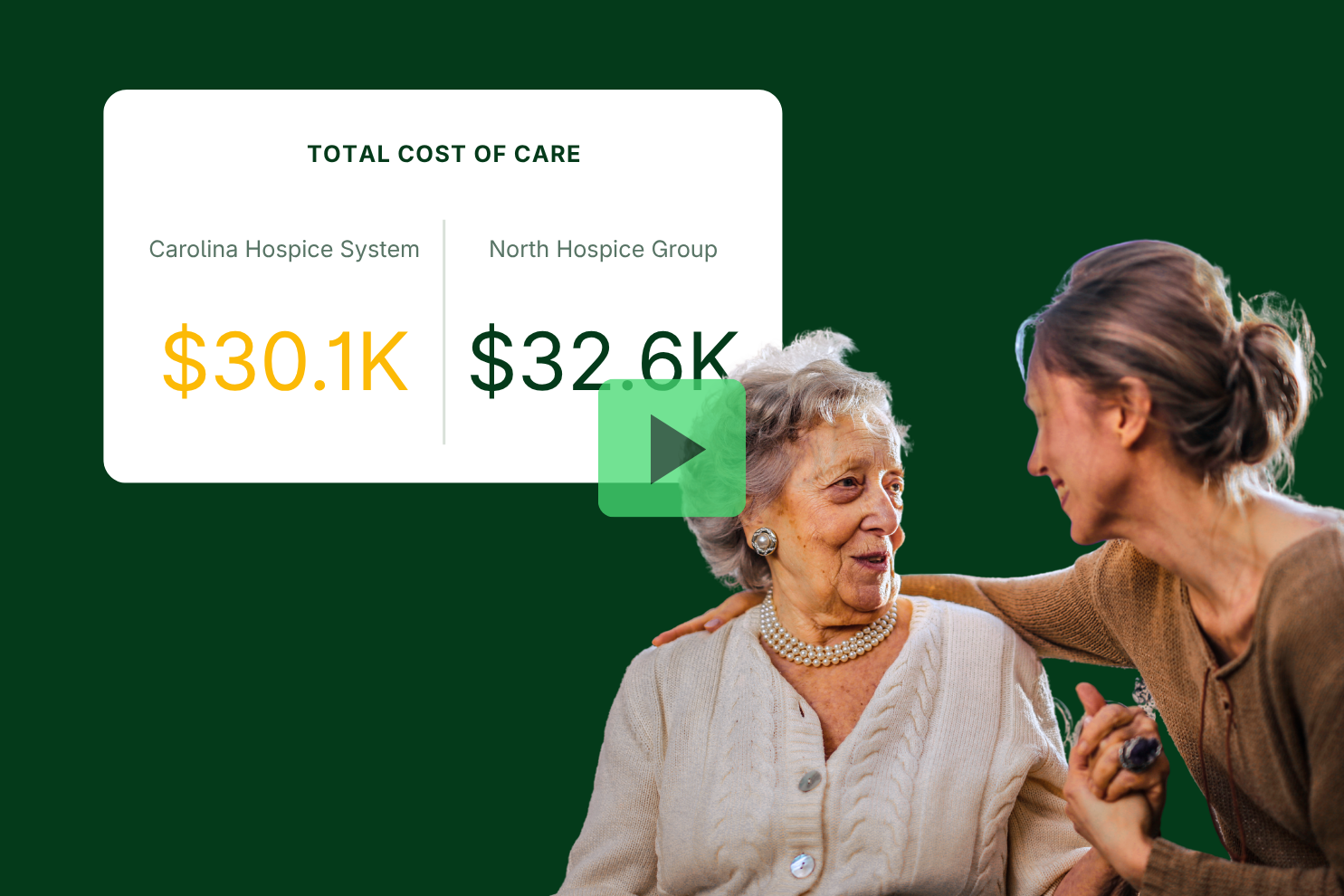
- Strategic insights: High-level dashboards showing performance, market opportunity, and progress toward goals.
- Risk management: Early detection of declining referral sources, territory gaps, or underperformance.
- Reporting and analytics: Custom reports to support board and investor discussions.
“With Trella Health, we found referral sources we should approach—and just as importantly, where we should not spend our time.”
– Norma English, Executive Director, Addus HomeCare
Core Benefits of Using a CRM in Healthcare
Access Data on the Go
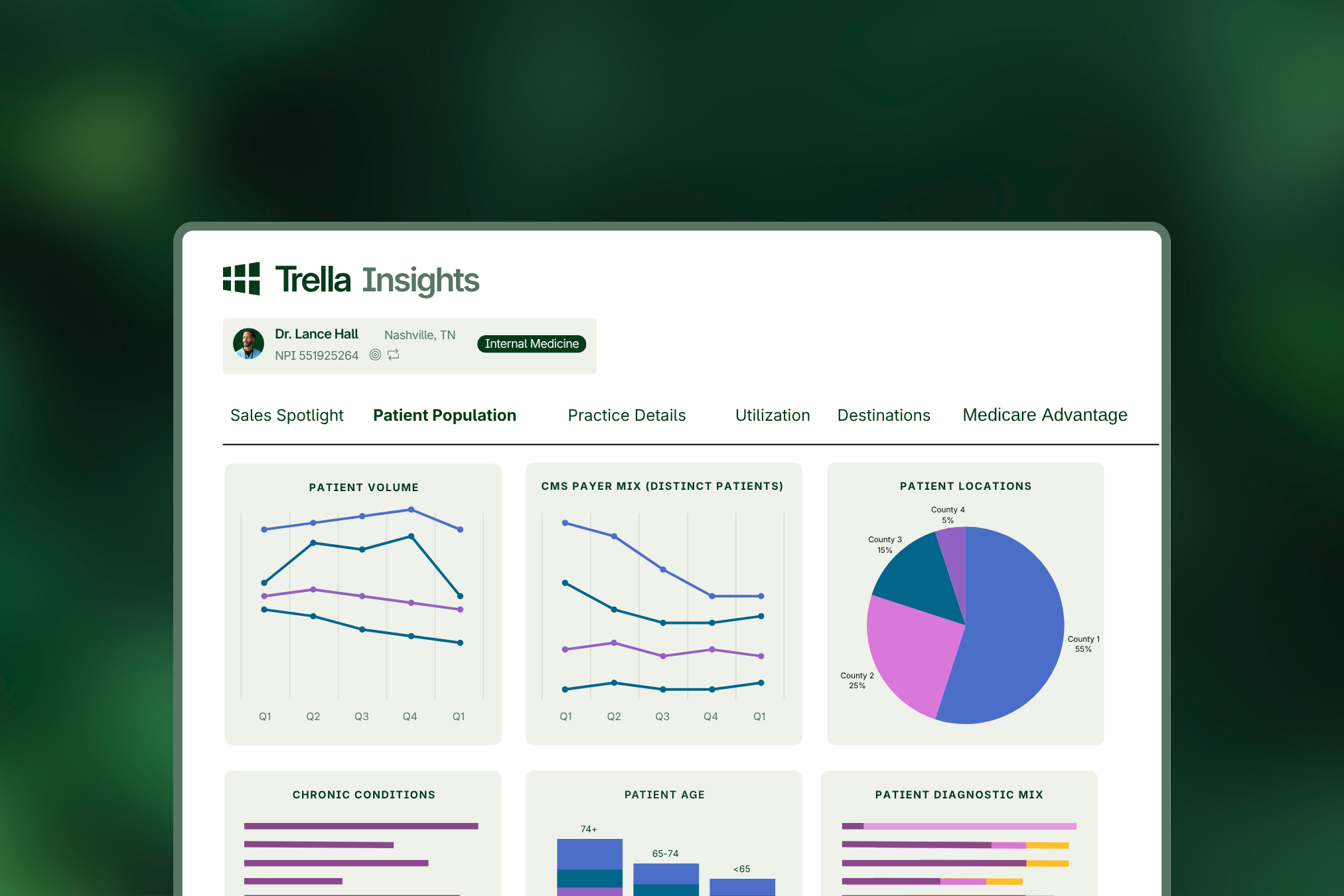
- With mobile CRM access, teams can view detailed referral source profiles, utilization trends, and performance metrics wherever they are—enabling smarter decisions in real time.
Enable Data-Driven Conversations
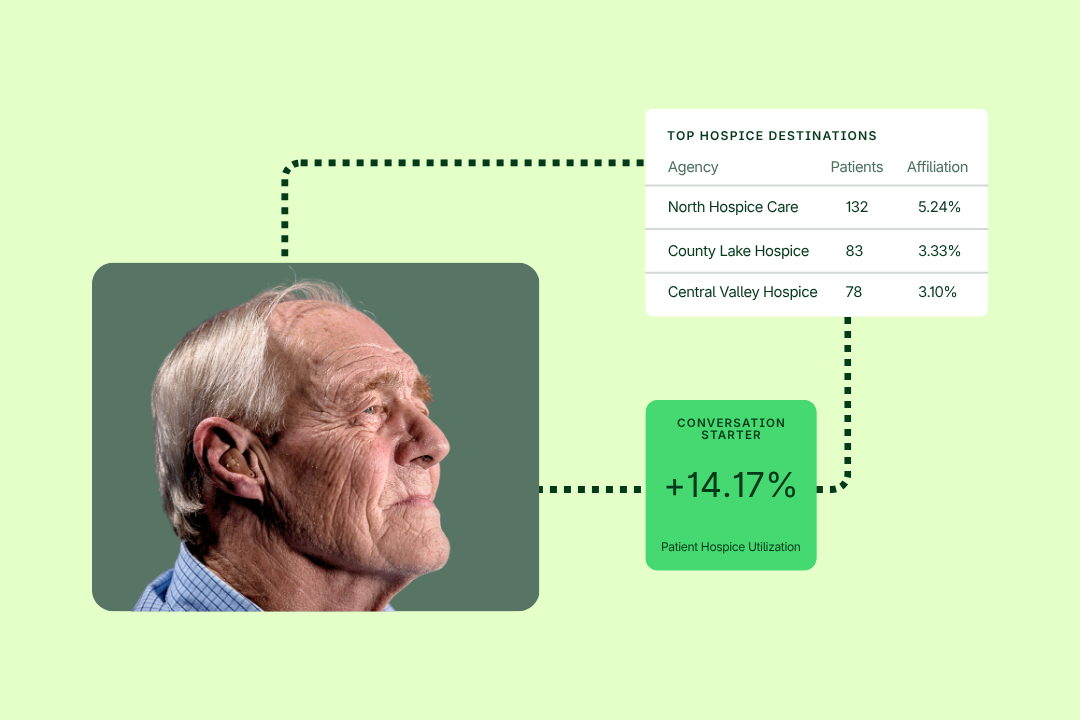
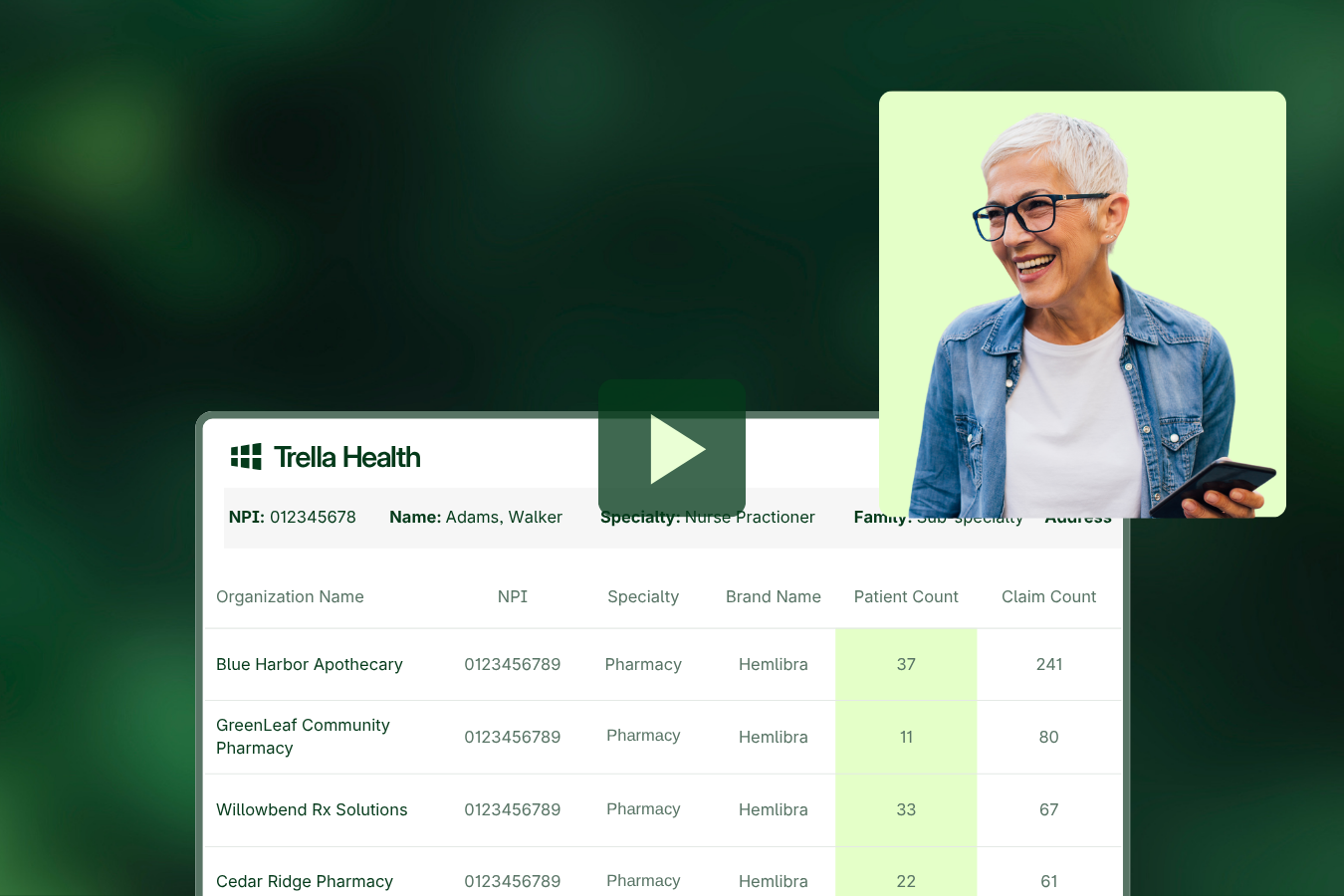
- By integrating market and referral data into the CRM, sales teams move beyond surface-level interactions. Conversations become consultative, relevant, and differentiated.
Streamline Workflows
- CRM automation reduces administrative burden through standardized event templates, reminders, and reporting—freeing teams to focus on relationship-building and growth.
Improve Performance Visibility
- Leadership gains full visibility into activities, outcomes, and KPIs across sales, operations, and executive teams.
Organizations that move away from spreadsheets and disconnected tools see measurable gains in productivity and insight. Tracking What Matters: Identify and Measure the KPIs That Drive Referral Growth shows how CRM analytics help leaders focus on the metrics that actually drive growth.

Related content:
Overcoming Common CRM Challenges
Even the most powerful CRM only delivers value when adopted and used effectively.
Common barriers include:
- Poor user adoption
- Lack of process alignment
- Disconnected data sources
- Limited training and enablement
Addressing these challenges requires leadership buy-in, clear workflows, and continuous coaching.
Adoption challenges are common—but solvable. Many post-acute providers recognize they’ve hit a growth ceiling before addressing CRM utilization gaps. Top 5 Barriers to Effective CRM Utilization – Unlocking Success in Post-Acute Care explores how to overcome resistance, improve adoption, and unlock the full value of CRM.
Related content:
The Power of a Healthcare CRM
From frontline sales reps to executive leadership, a healthcare CRM unifies teams around shared data, goals, and outcomes.
It enables organizations to:
- Strengthen referral relationships
- Operate with efficiency and consistency
- Gain actionable insight into performance
- Scale growth with confidence
When combined with market intelligence, analytics, and automation, a CRM becomes more than a system—it becomes a strategic advantage.
Bringing CRM Strategy to Life
Healthcare CRM value becomes real when strategy meets execution. Field-tested insights from sales reps, leaders, and operators reveal how CRM drives consistency, accountability, and results across organizations.
Through candid conversations in CRM Real Talk: Lessons and Insights from Reps in the Field, teams share how CRM fits into their daily workflows.
For organizations evaluating or optimizing a CRM investment, The Ultimate CRM Handbook: Myths, Benefits & What to Look For offers a practical framework for selecting and scaling the right solution.

Related content:
- Product Showcase: CRM Analytics and Best Practices in Action
- The CRM Advantage: Understanding Core Functions and Use Cases
Ready to see how a healthcare CRM can transform your organization?
Discover how Trella Health helps post-acute providers turn data into growth. Let’s start the conversation.